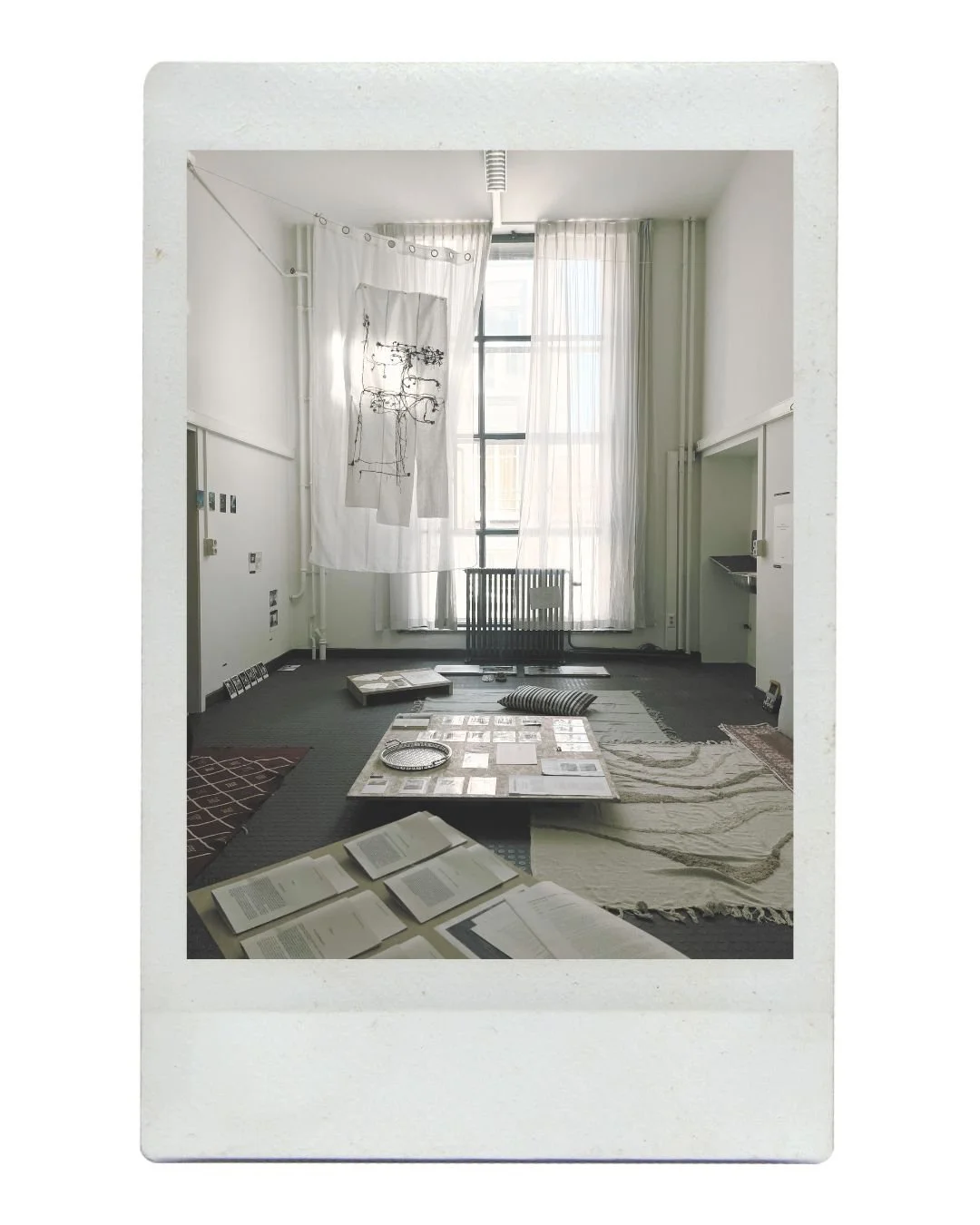
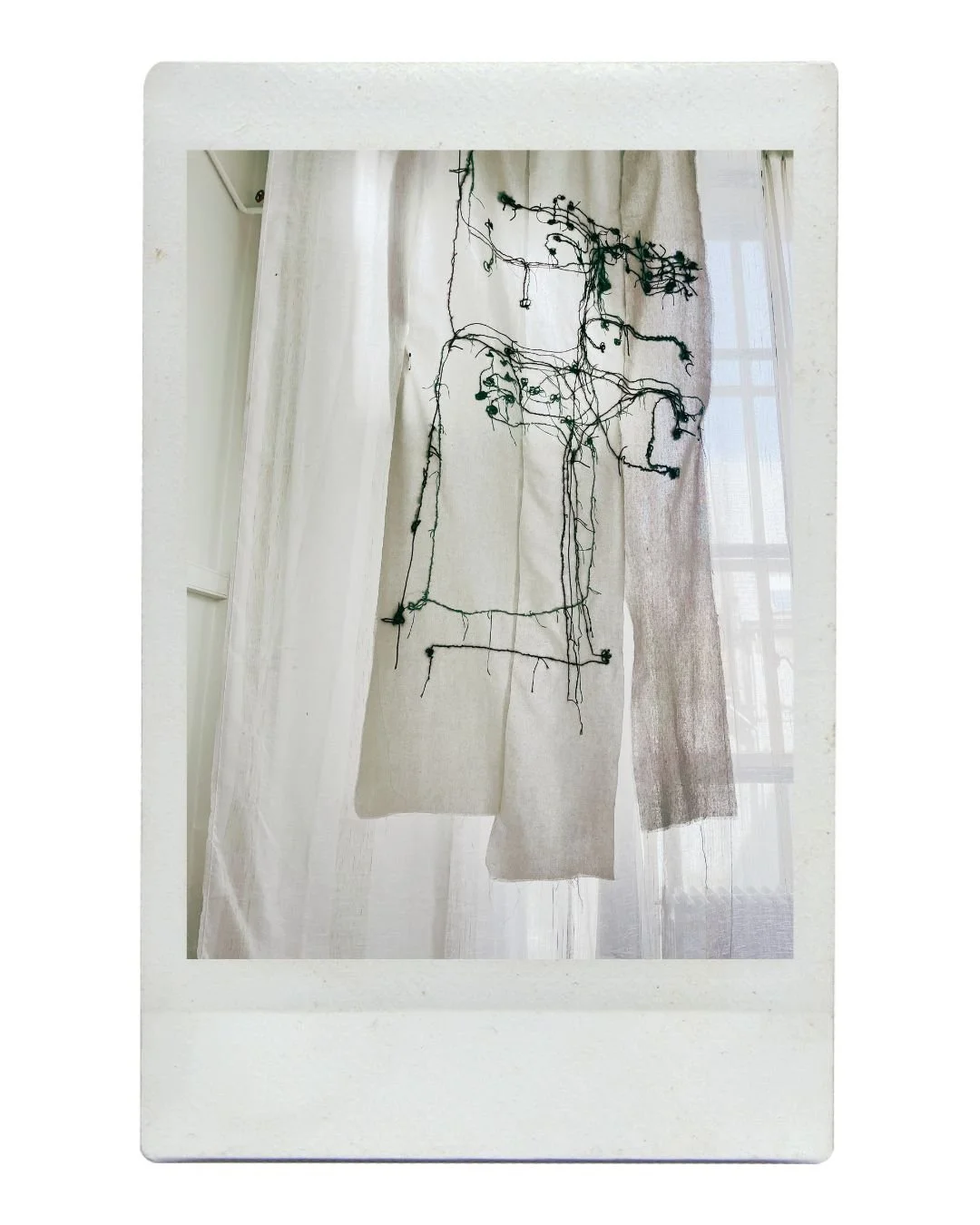
This project reflects on the quiet, embodied relationship between body, habit, and domestic space, where use precedes function and memory overrides plan. Through acts, terms, and figures that resist architectural hierarchy, it reclaims the home as a lived structure shaped by presence rather than prescription. The produced materials include a novella, a woven map as a supporting art piece, a written script, and a spatial curation within a given room.
Graduation project, Master in Architecture - University of Antwerp
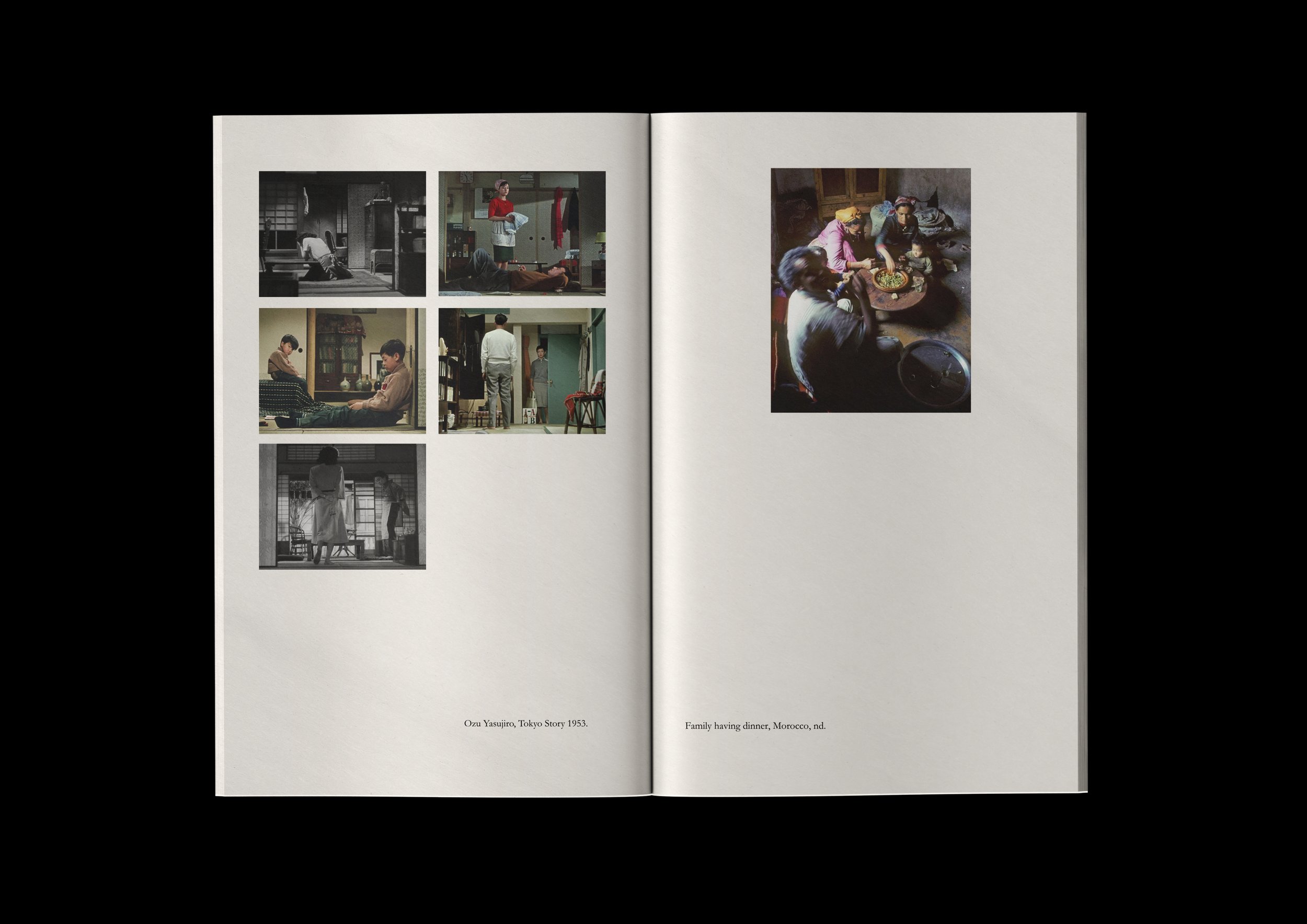
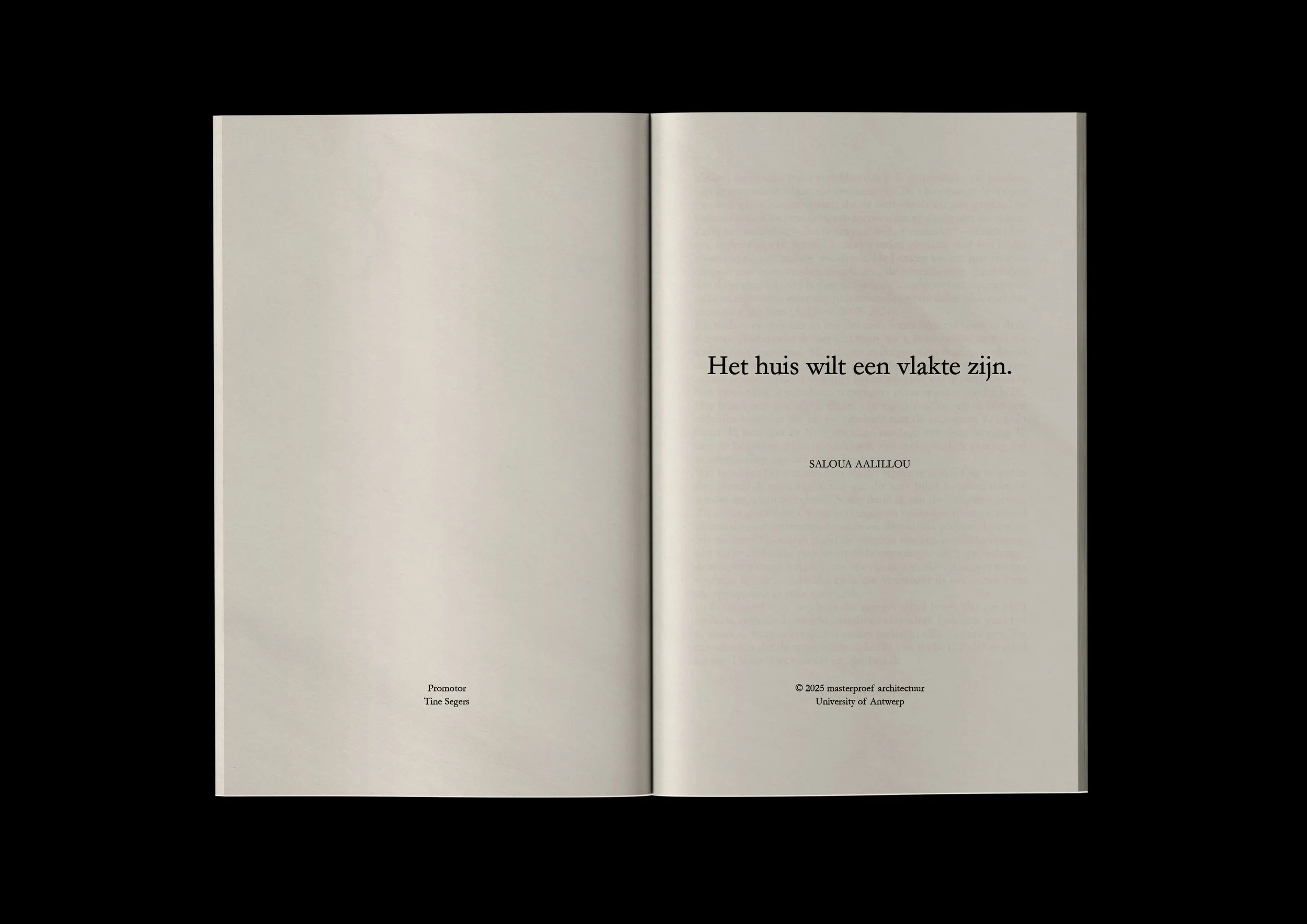
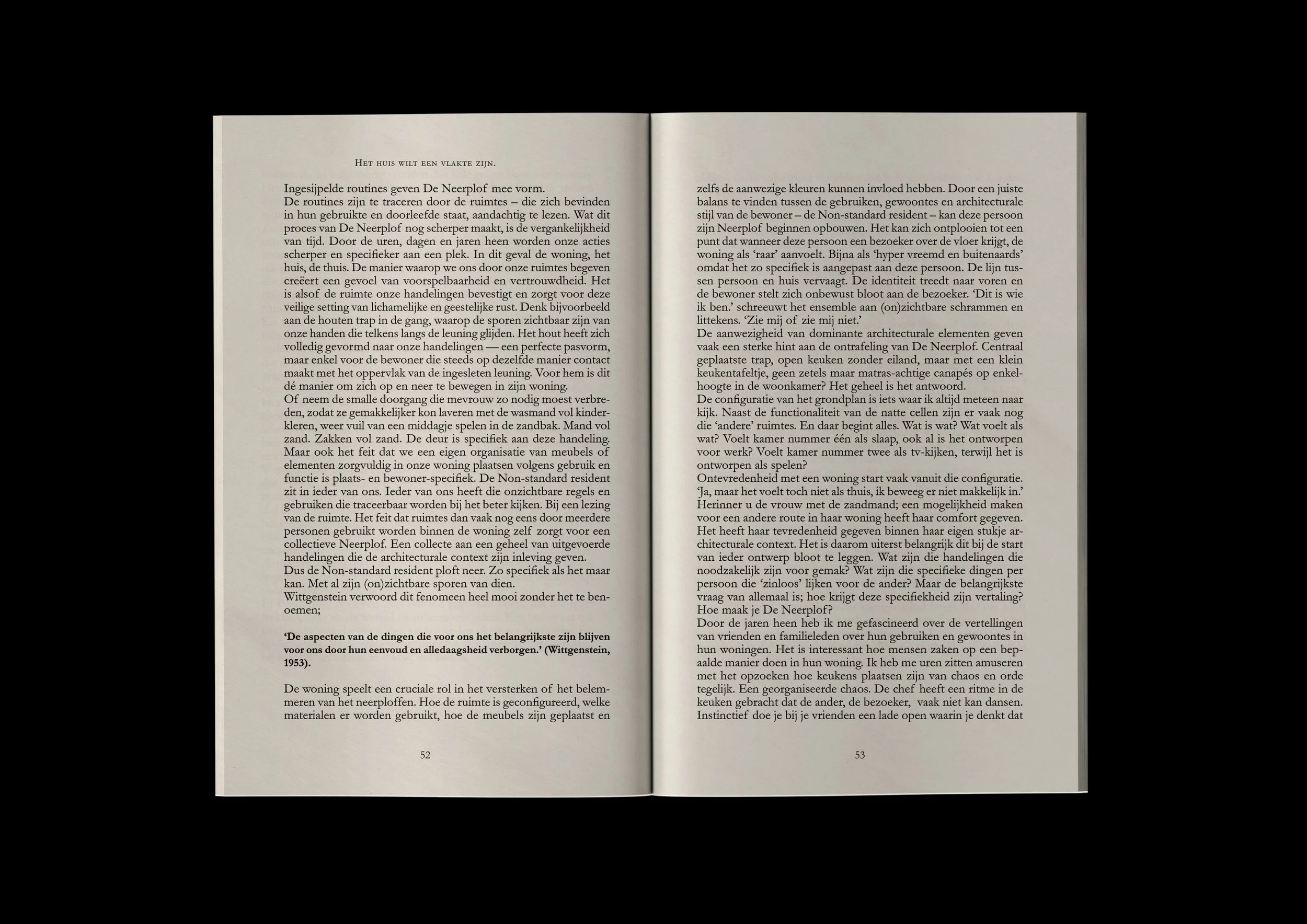
If interested in reading the full novella (Dutch), please ask through saloua.aalillou@hotmail.com
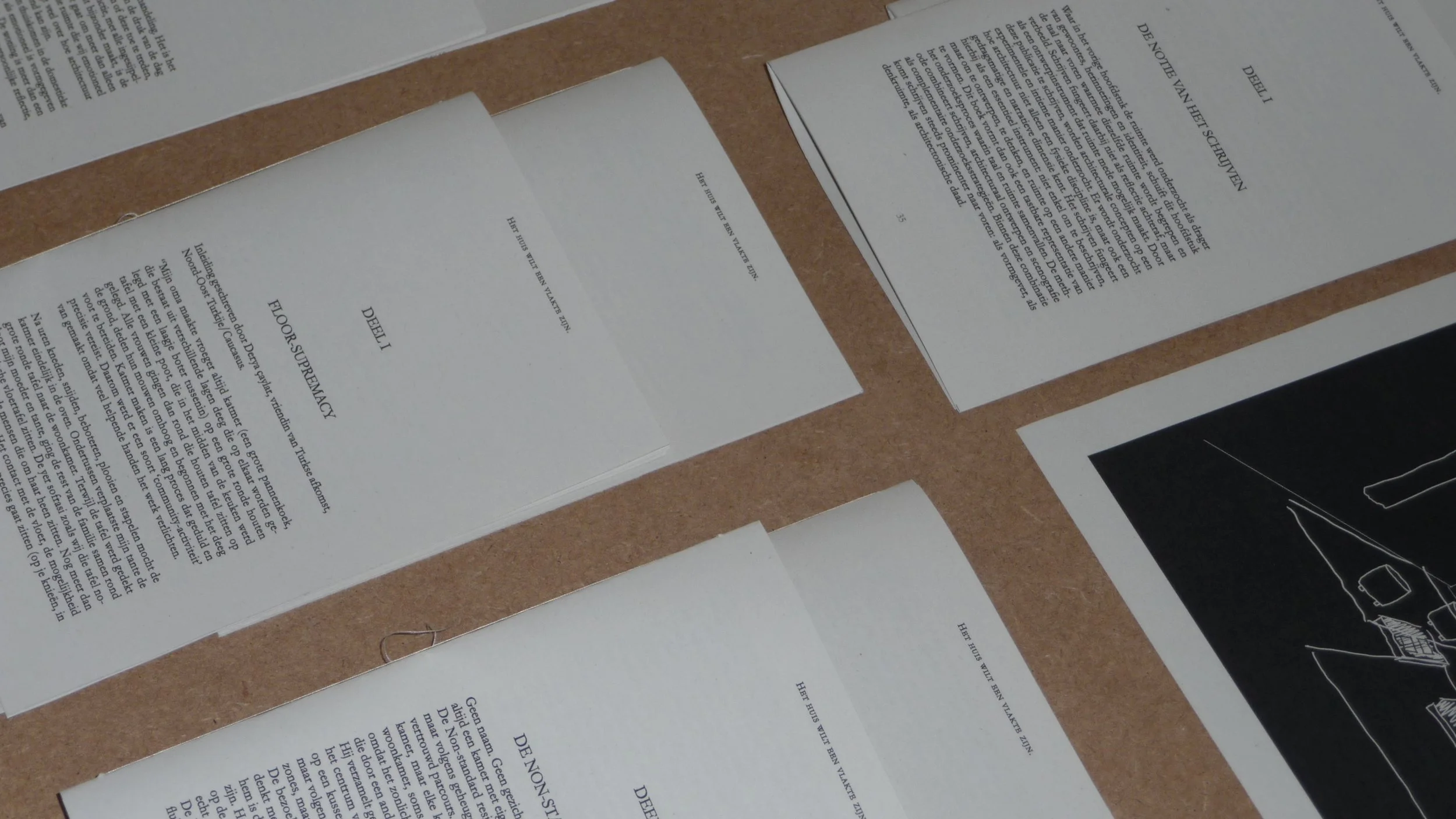
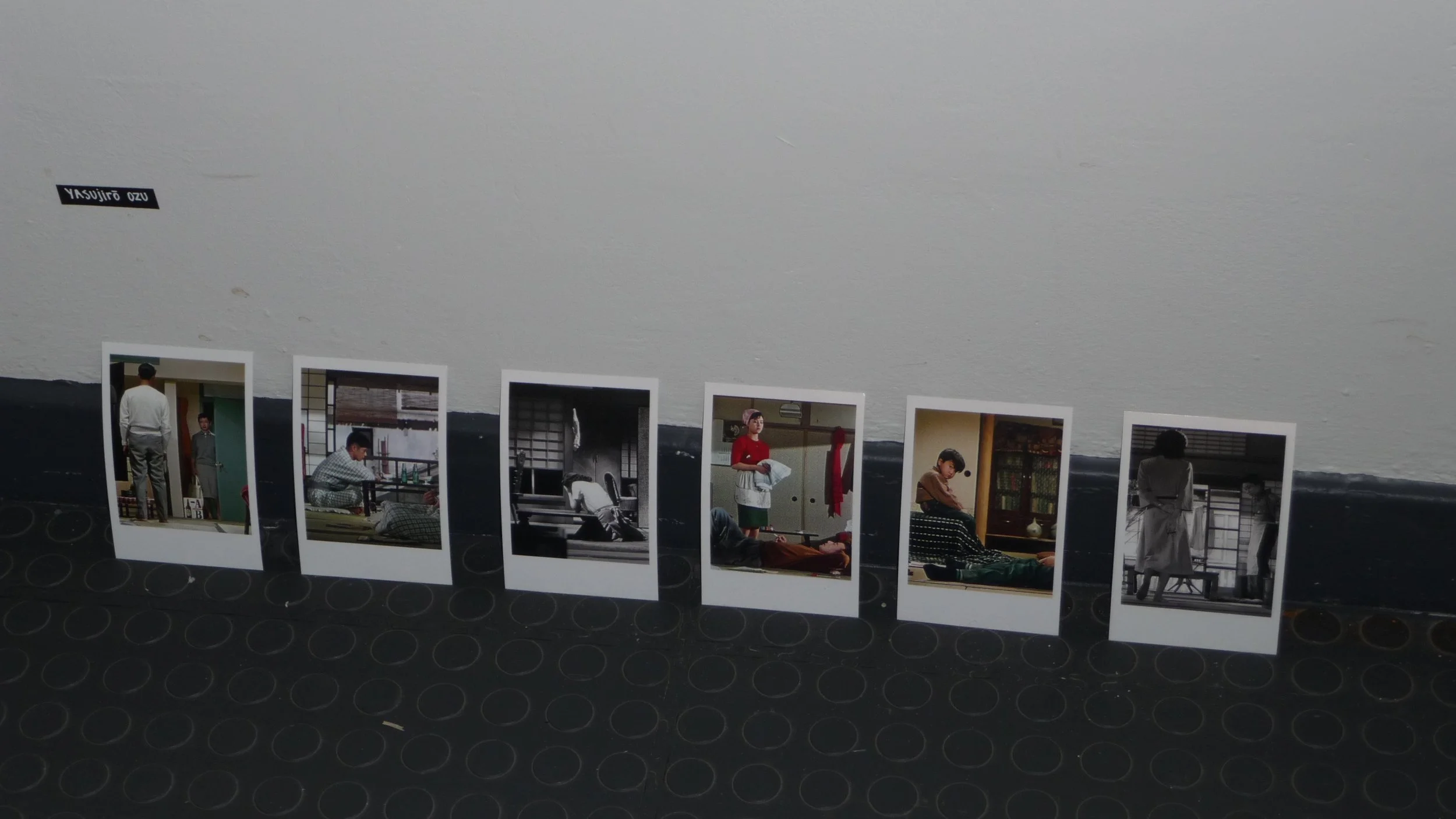
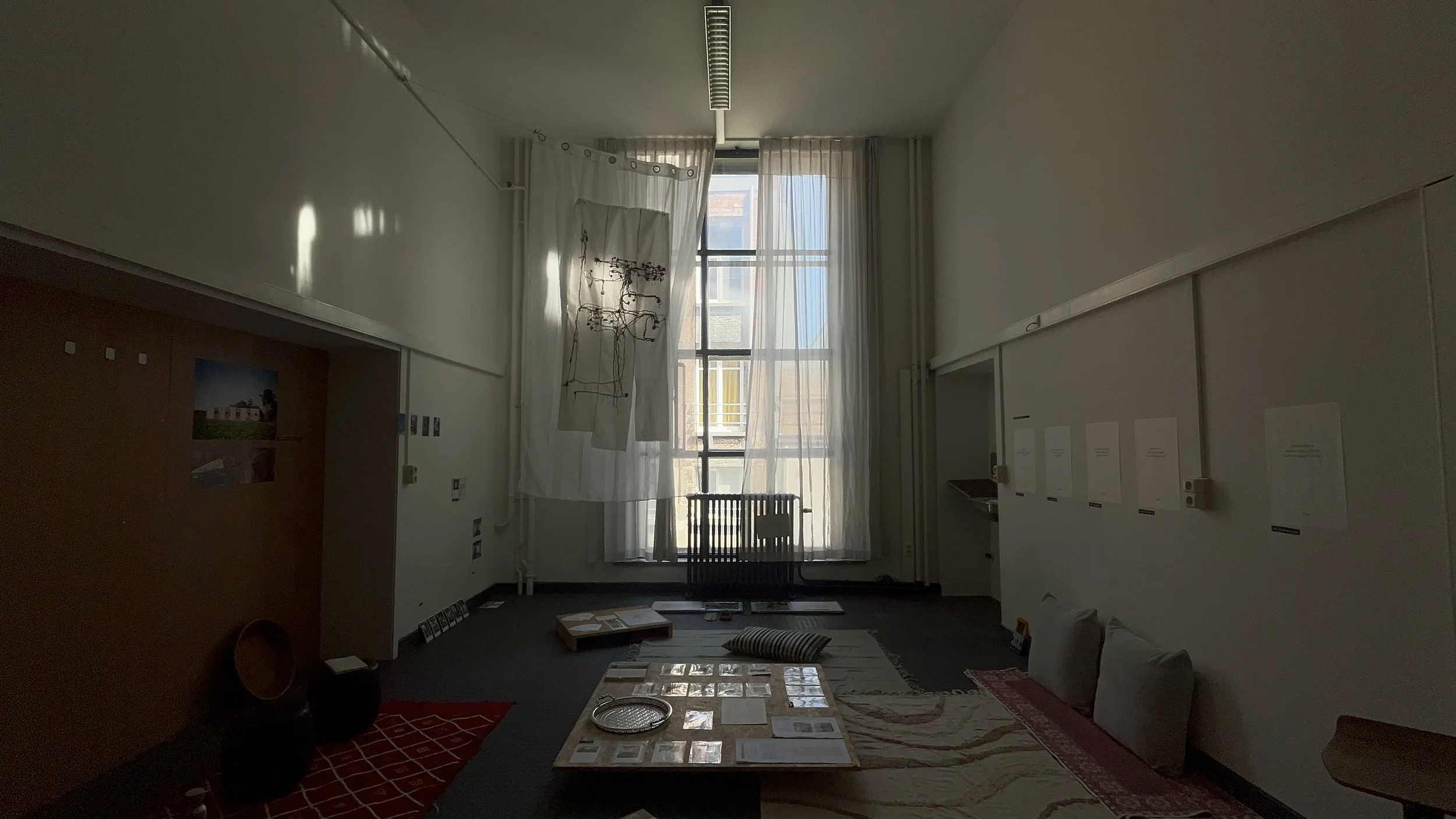
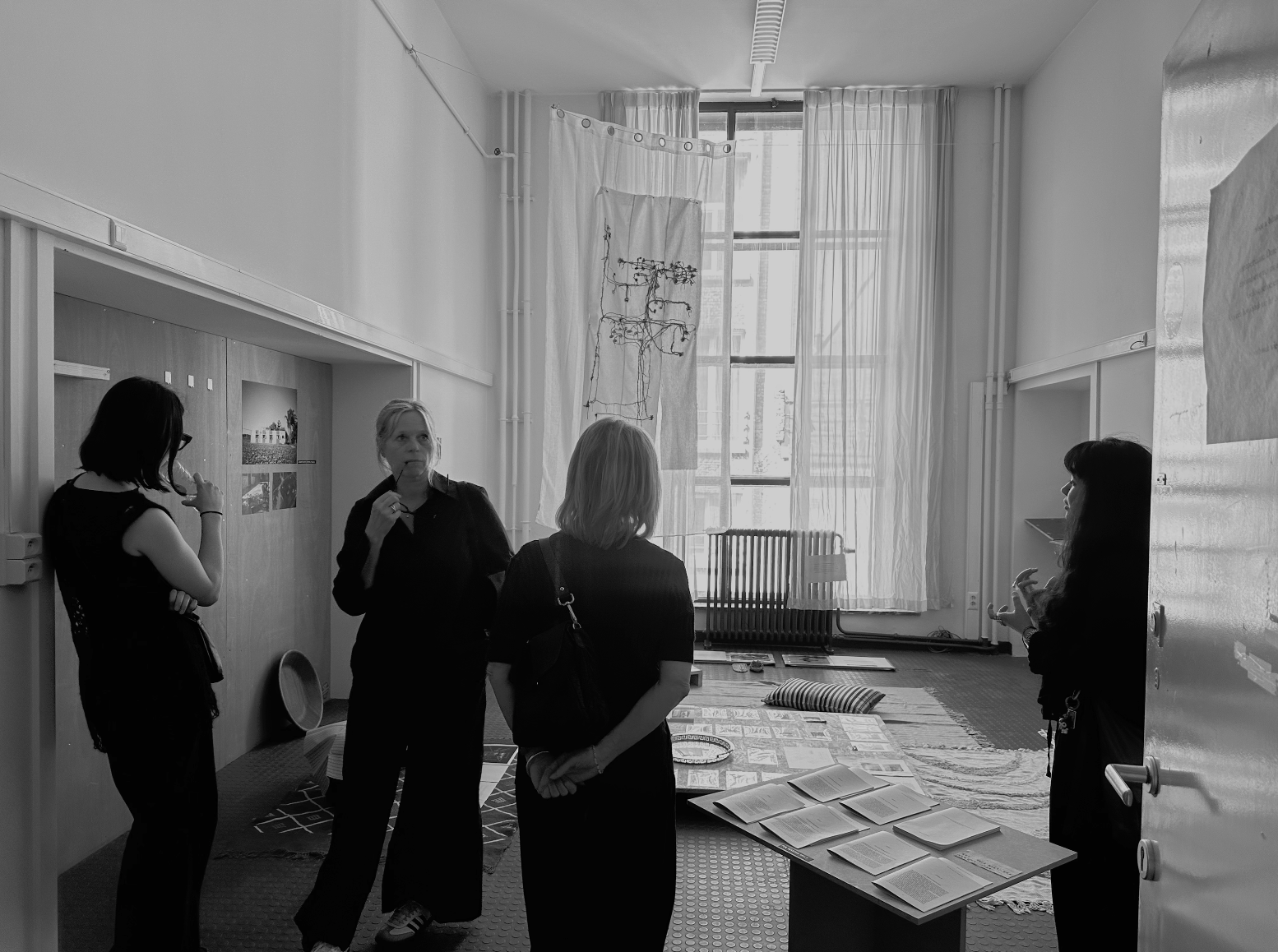
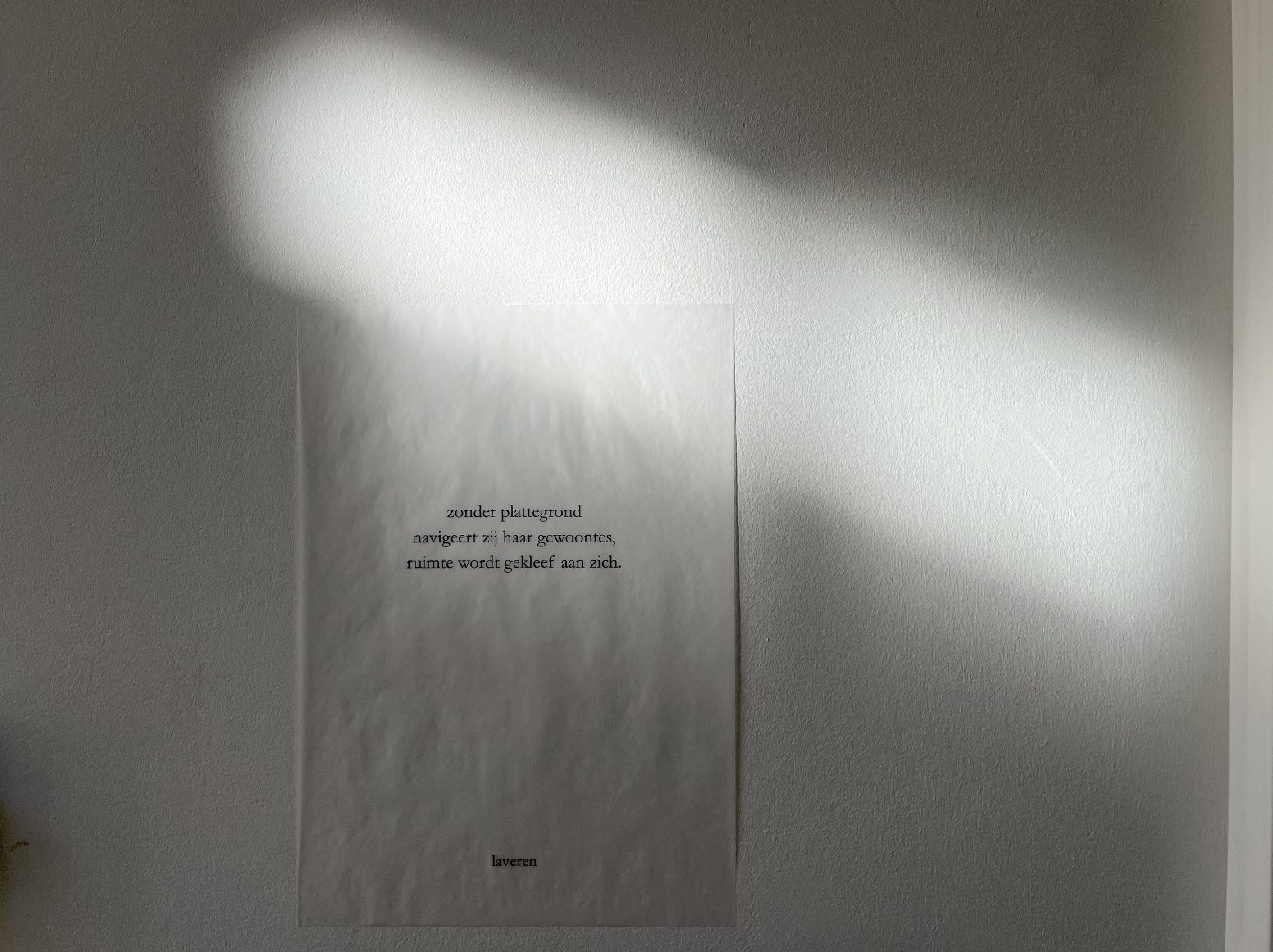
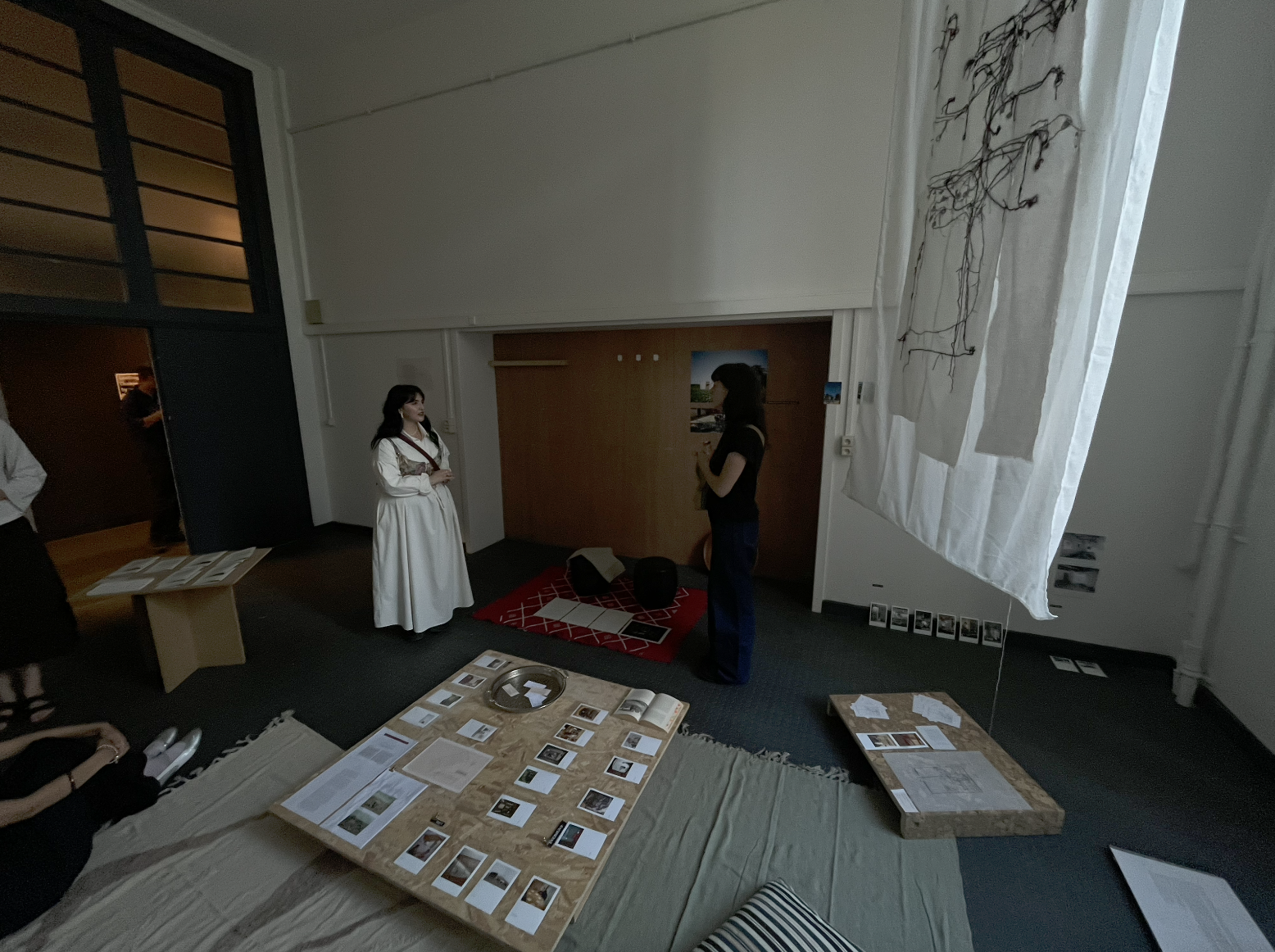
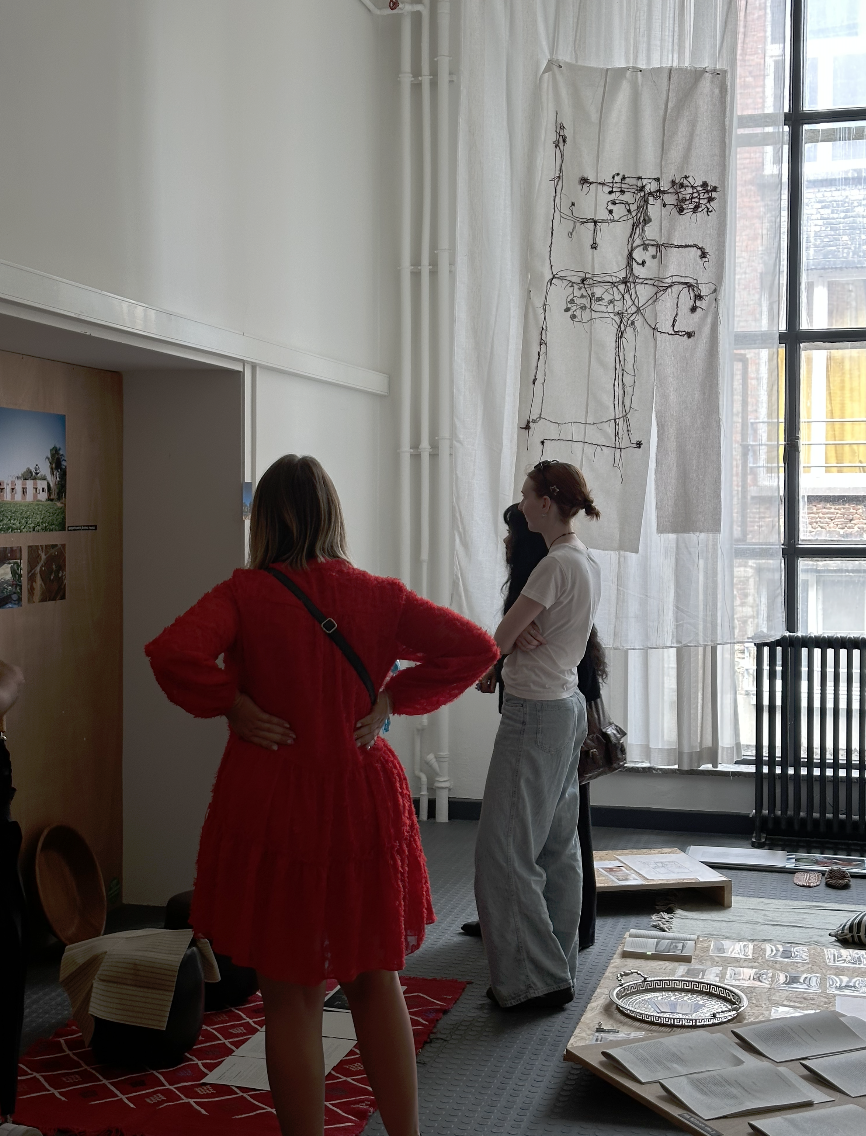
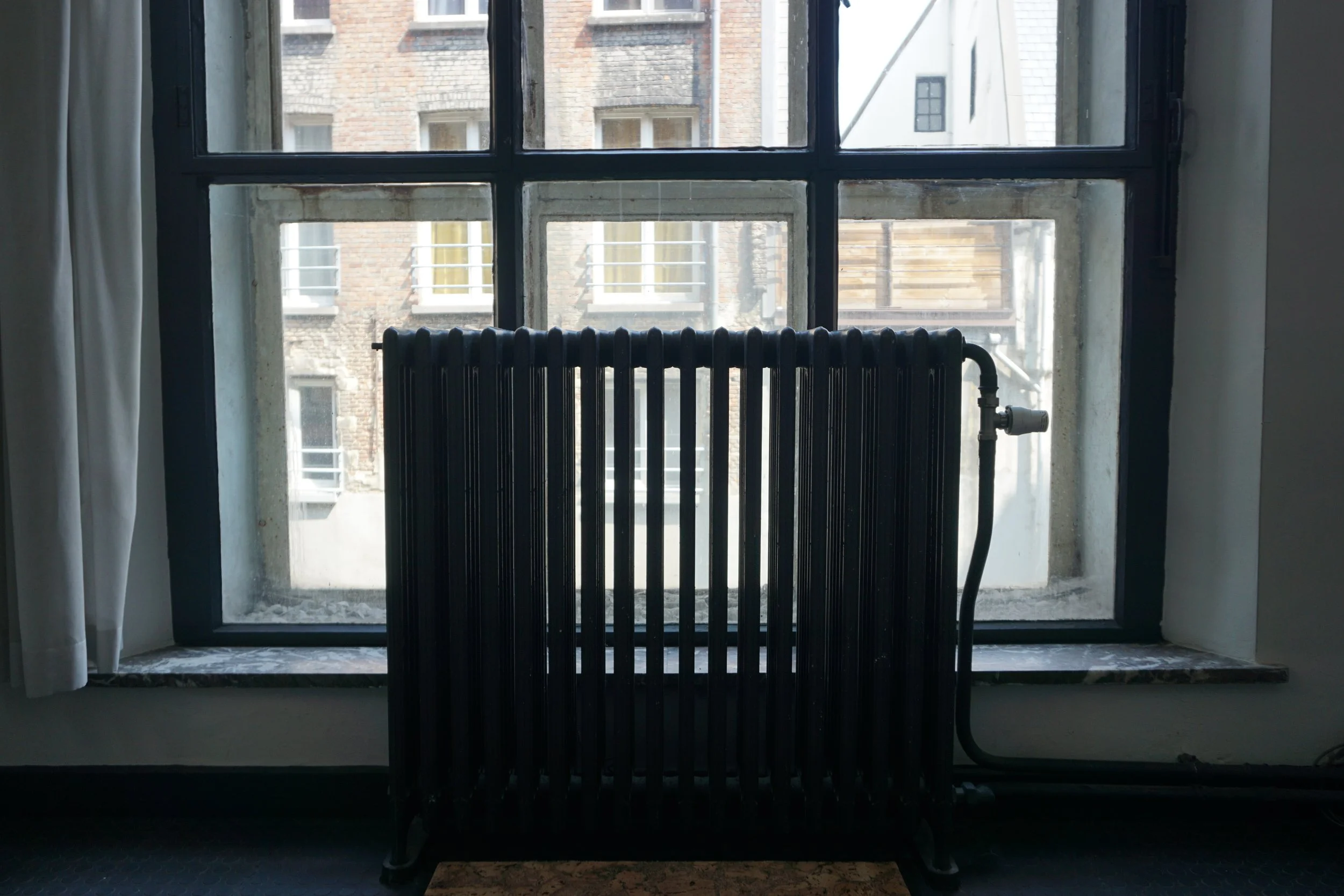
Neerploffen is a simple yet charged act. It is the moment when we allow our bodies to shed the weight of the day and fall into space—or enter it—without concern for position, posture, or function, carrying with it all the habits that have seeped into us. What makes this moment distinctive is the symbiosis between body and space. It is about more than mere practical functionality; it is about the space we occupy, emotionally and physically.
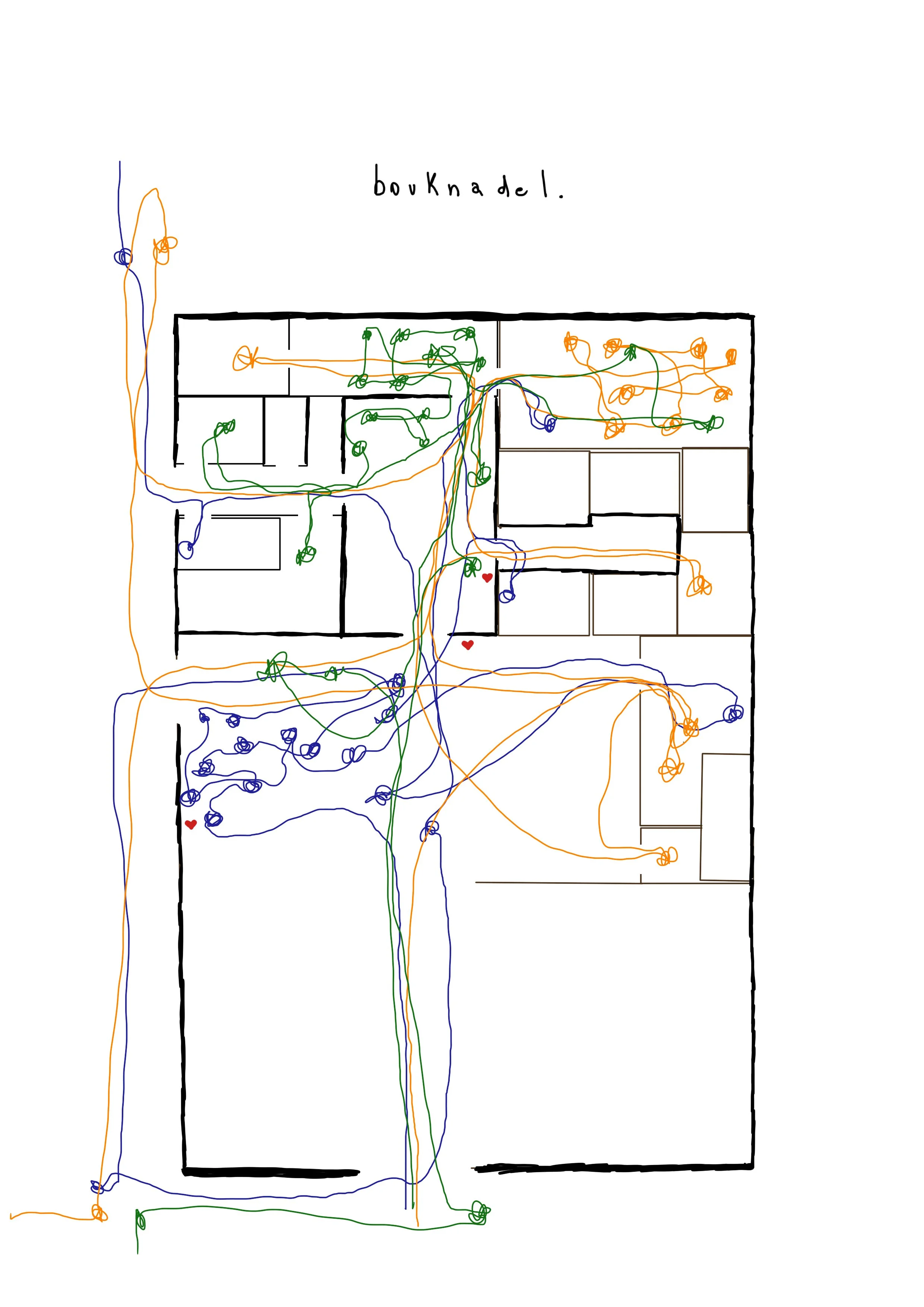
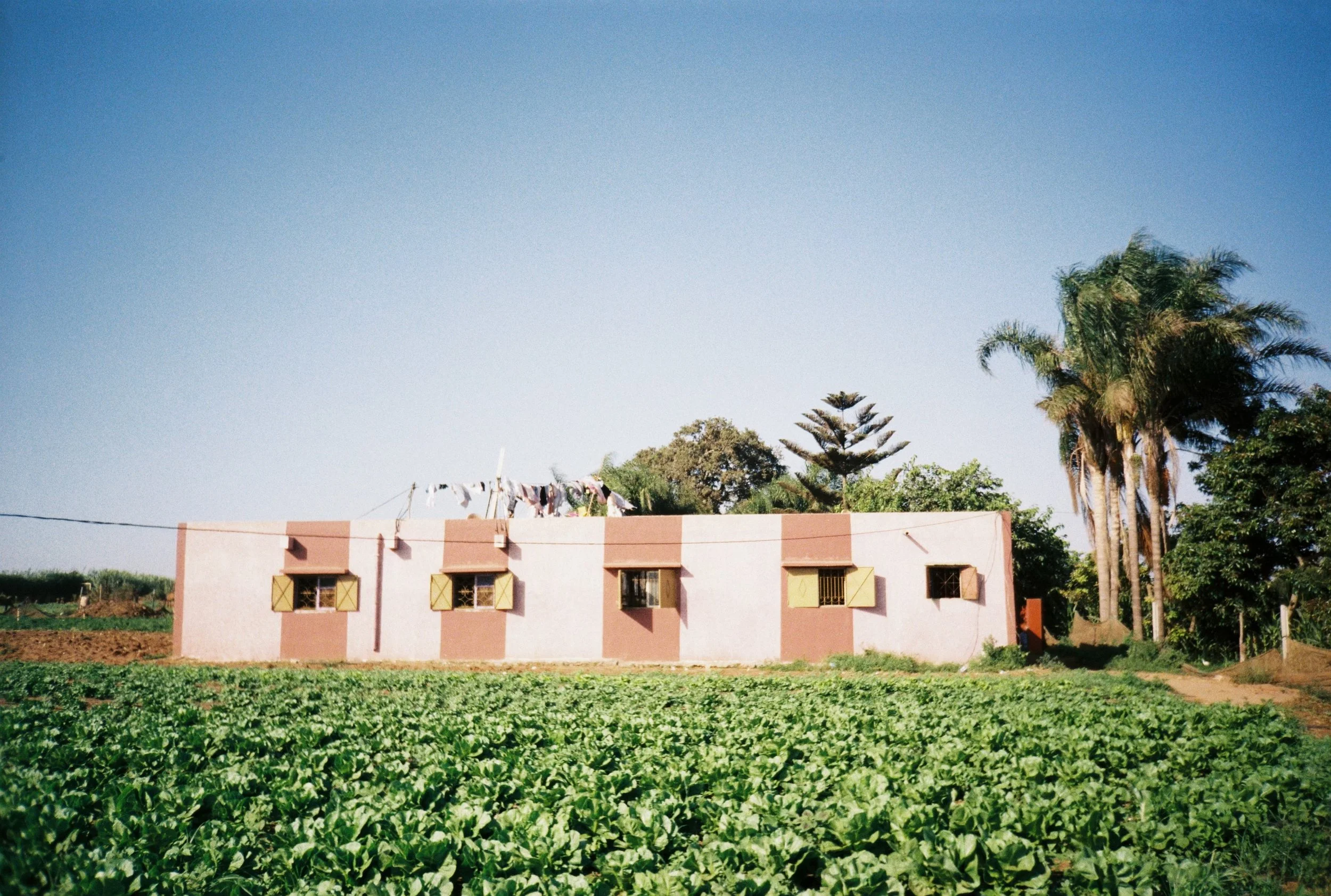
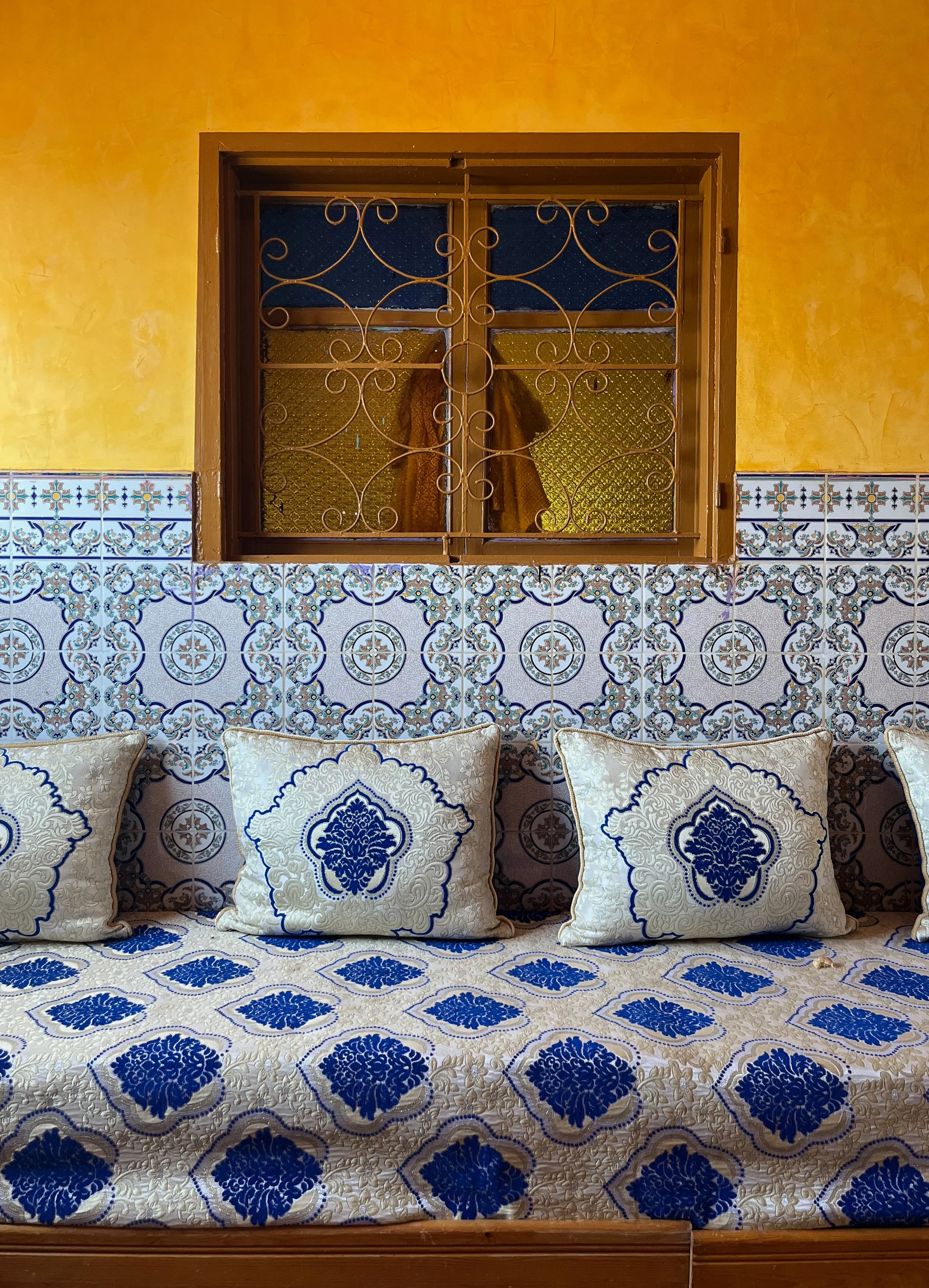

The non-standard resident does not move according to floor plans, but according to memory. There is no fixed circulation, only a familiar route. His dwelling has no clearly defined function per room, yet every room knows its function. Sometimes he sleeps in the living room, sometimes he eats on the floor. Sometimes the table stands at an angle, so that the sunlight falls more softly onto the plate. There is no logic that can be explained by another, except by himself. He does not collect design objects, but habits.
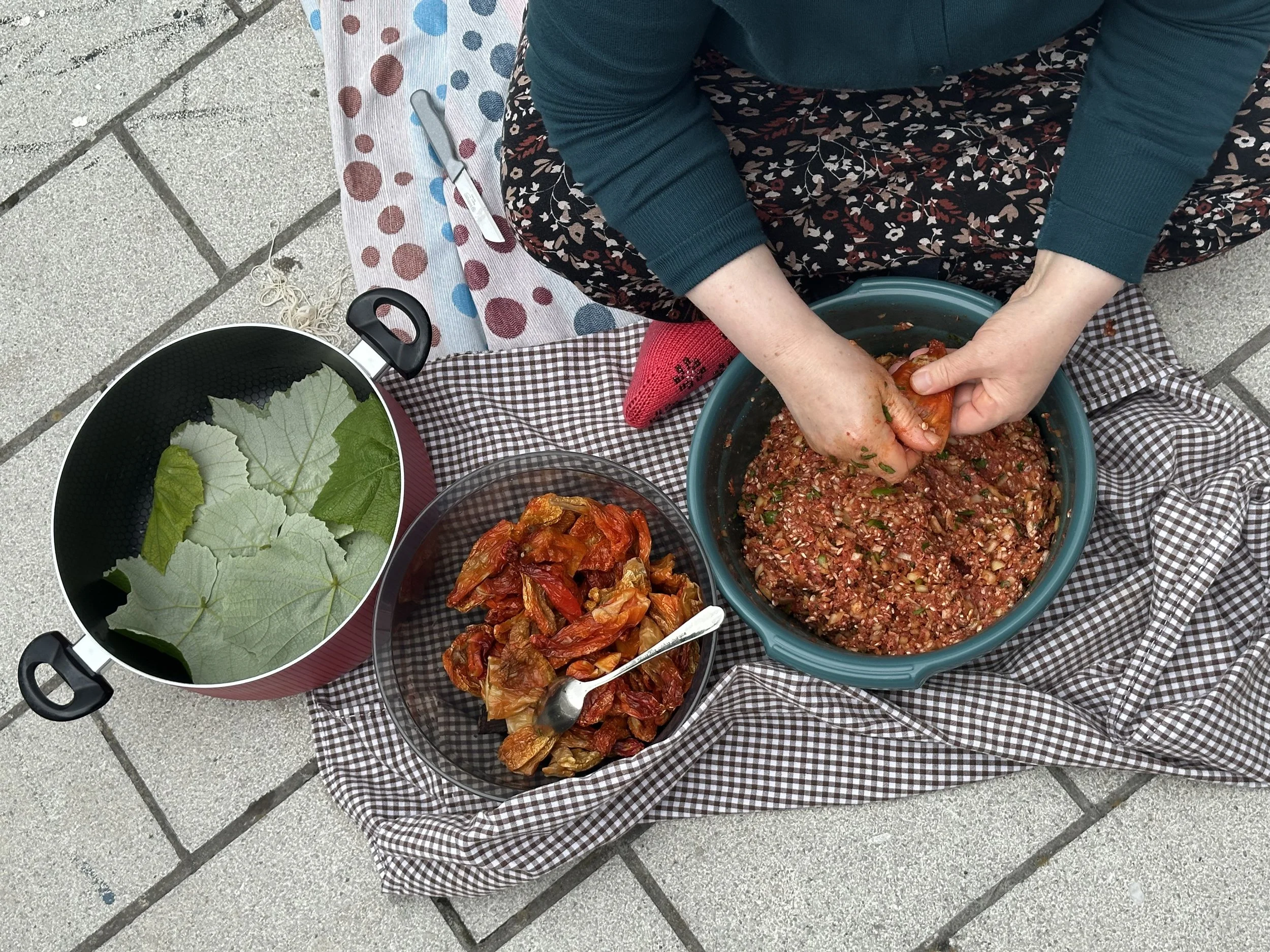
Floor-supremacy is a term that initially clashes with the conventional hierarchy of architectural elements. It is precisely this collision that carries meaning: the pairing of floor, a physically low element, with supremacy, a word that evokes hierarchy, power, and near dominance, proposes a revaluation of what architecture often considers subordinate.
By introducing these carefully designed concepts—the neerplof, the non-standard resident, and floor-supremacy, one can begin to read domestic space not as a fixed composition, but as a lived, negotiated condition shaped by habit, presence, and use.
These can be practical tools for designers.